
Capturing Food Images: Mastering the Art of Food Photography with Stunning Visuals and Techniques

Food photography has evolved into an art form that tantalizes the senses and excites the appetite. With the rise of social media platforms like Instagram and Pinterest, capturing mouth-watering images of food has become a sought-after skill. Whether you’re a food blogger, an aspiring photographer, or simply someone who enjoys sharing culinary creations, mastering food photography can transform your dishes into visual feasts. This comprehensive guide will walk you through the essentials of capturing stunning food images that tell a delicious story.
Lighting: The Key Ingredient
Lighting is crucial in food photography. Natural light is preferred, as it provides a soft, even illumination that brings out the best in your dishes. Position your setup near a window to utilize diffused sunlight, typically in mid-morning or late afternoon, to avoid harsh shadows. If natural light isn’t available, use continuous light sources with adjustable brightness and color temperature to mimic natural light, and avoid direct flash to prevent unflattering shadows.
Donec pellentesque, arcu et luctus condimentum, metus nunc elementum diam, quis lacinia libero lorem in velit. Etiam efficitur odio et consequat consequat. Aliquam erat volutpat. Nulla magna nisl, accumsan eu eros ac, scelerisque molestie sem.
Composition: Crafting the Perfect Shot
Composition is key to creating visually appealing food photos. The rule of thirds is a fundamental technique where you divide your frame into a 3×3 grid and position the main elements along these lines or at their intersections. Leading lines can guide the viewer’s eye through the image, directing attention to the main subject. Symmetry creates a pleasing effect, while patterns add interest and depth. Allowing some negative space, or empty space, helps the main subject stand out. Experiment with different angles; overhead shots are great for flat lays, while a 45-degree angle can showcase the depth and texture of a dish.
Styling: The Visual Garnish
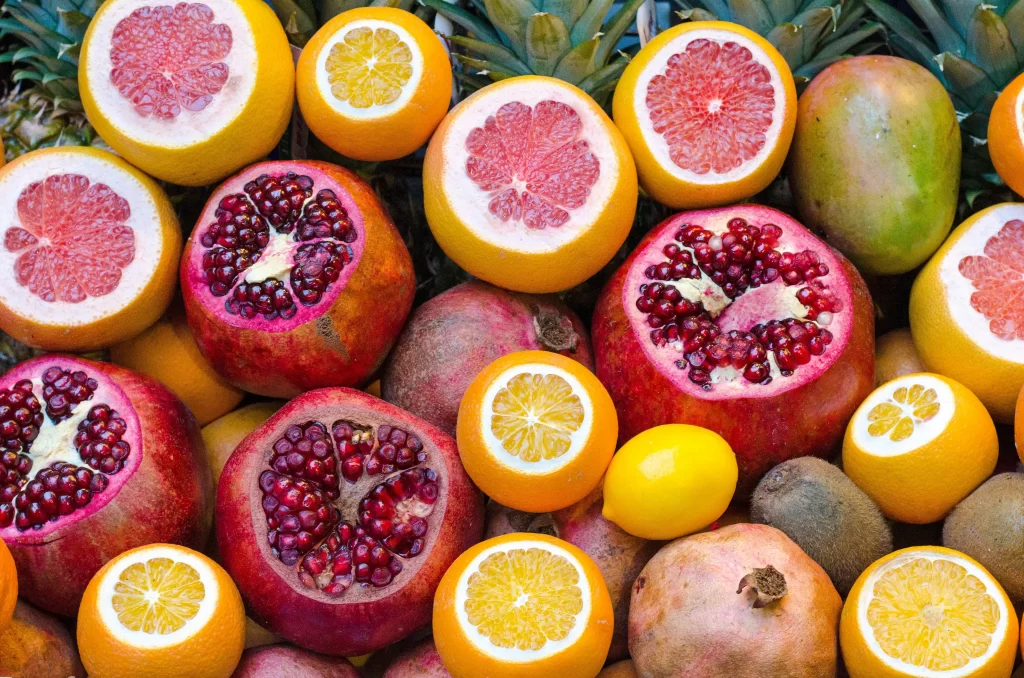
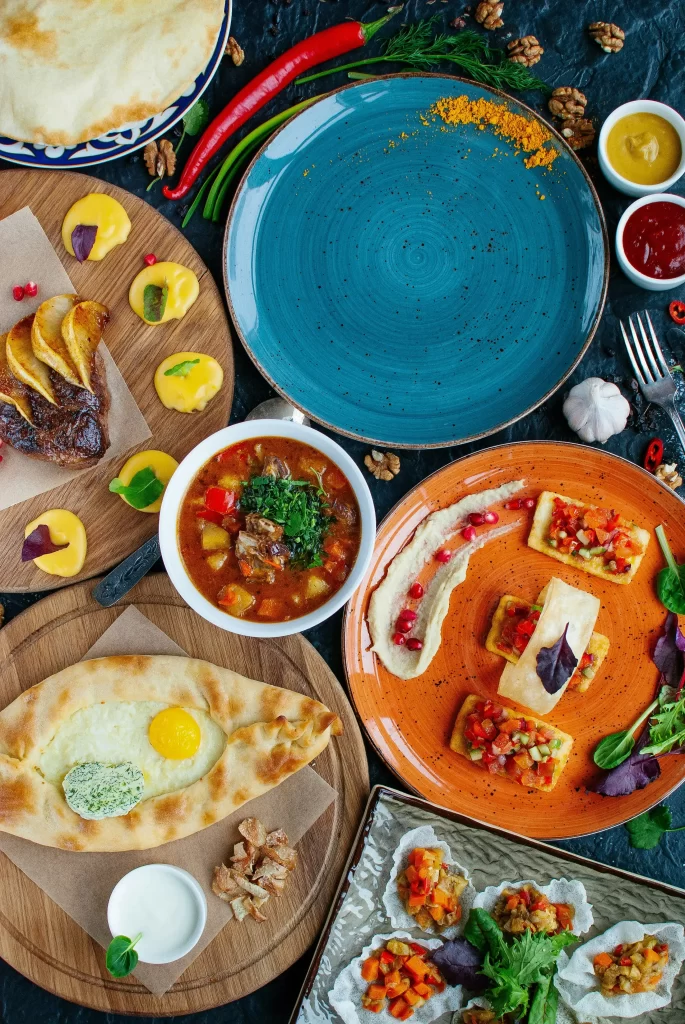
Food styling is about making the dish look its best. Use fresh ingredients and garnishes to add color and vibrancy. Complementary props like cutlery, napkins, and table settings can enhance the scene, but avoid clutter. Highlight the texture of the food with garnishes like herbs, spices, or a drizzle of sauce. Use complementary colors to make the dish pop; a color wheel can help you find pleasing combinations.
Editing: Enhancing the Flavor
Editing is the final step to perfecting your food images. Adjust brightness and contrast to ensure the image is well-lit and the colors are vivid. Enhance the details with sharpening to make the textures stand out. Correct the white balance to ensure the colors are true to life. Adjust the framing through cropping to focus on the main subject and improve composition.
Practice Makes Perfect
Practice regularly and experiment with different dishes, lighting setups, and compositions to find your unique style. The more you practice, the better your photos will become.
Food photography is a delightful blend of art and culinary passion. By paying attention to lighting, composition, styling, and editing, you can capture images that not only look mouth-watering but also tell a story. Whether you’re showcasing a gourmet meal or a simple homemade dish, the right photo can make it irresistible. So grab your camera, get creative, and start capturing those delicious moments!

